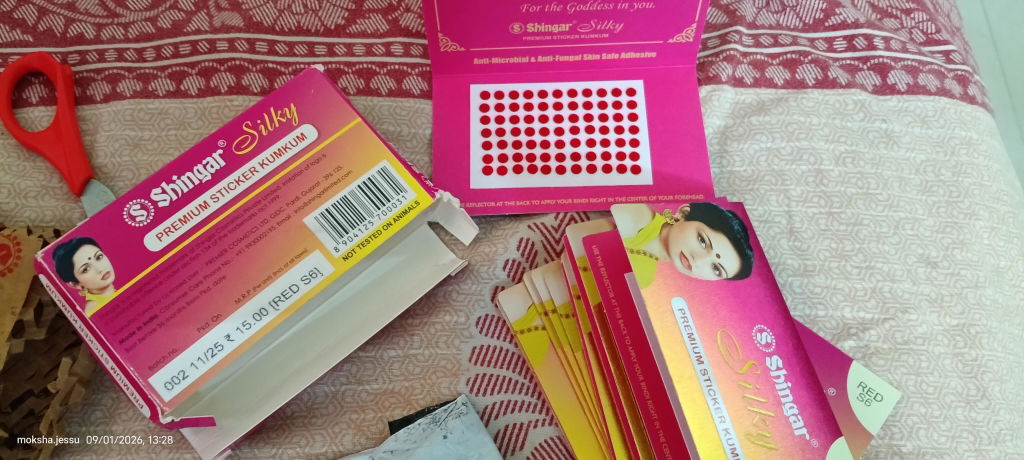
Product is very good in quality but need to work in colours as maroon & deep red are looks almost same.. 🙏🙏🥰🥰
liked the product. just the red color is bit tooo dark, very close to black.
Multicolor� No reaction and smells good.
Choosing the right kumkum is an essential part of bridal preparation, blending tradition with aesthetics. This guide explores the best kumkum for brides in India (2025), covering types, shades, safety, and expert tips for selection. From traditional handmade kumkum to modern, long-lasting formulations, brides today prioritize purity, skin safety, and rich color payoff. With the right choice, kumkum enhances not only rituals but also the overall bridal look, making every moment more meaningful and picture-perfect.
Kumkum holds deep cultural and spiritual importance in Indian traditions, widely used in puja rituals, festivals, and daily practices. Symbolizing prosperity, purity, and divine energy, it is applied as a tilak, offered to deities, and used in ceremonies like Haldi Kumkum. Rooted in ancient beliefs, kumkum is more than a ritual element—it represents devotion, protection, and the preservation of cultural heritage across generations.
Sindoor and kumkum are essential elements of Indian traditions, each with distinct meanings and uses. Sindoor is a symbol of marriage, applied by married women in the hair parting, while kumkum is used in rituals, puja, and blessings to signify auspiciousness and prosperity. Understanding the difference is especially important for modern brides, as it ensures cultural accuracy, enhances wedding aesthetics, and supports safe product choices. By choosing skin-safe, high-quality options, one can honor tradition while embracing modern beauty and rituals.
Sindoor and kumkum are timeless symbols deeply rooted in Indian culture, with origins tracing back thousands of years to ancient scriptures and civilizations. While kumkum represents energy, devotion, and spiritual significance, sindoor is a powerful symbol of marriage, prosperity, and protection. Over time, both have evolved from traditional, natural formulations to modern, skin-safe versions without losing their cultural essence. Today, they continue to hold immense importance in rituals, festivals, and daily life, preserving heritage while adapting to contemporary needs.
Haldi Kumkum is a traditional Maharashtrian ritual celebrated during Makar Sankranti, symbolizing prosperity, positivity, and togetherness among women. The ceremony involves applying haldi and kumkum as a gesture of blessings, exchanging gifts, and strengthening social bonds. Rooted in cultural and spiritual significance, Haldi Kumkum continues to be an important festive tradition, now evolving with modern gifting ideas and curated pooja essentials for a meaningful celebration.
Kumkum is a sacred red powder deeply rooted in Indian culture, used in rituals, festivals, and daily traditions. Traditionally made from turmeric and slaked lime, it symbolizes auspiciousness, prosperity, and divine energy. From temple offerings to tilak application, kumkum holds spiritual significance and continues to be an essential part of Indian heritage. With growing awareness, there is also a shift towards choosing skin-safe, herbal, and authentic kumkum for everyday use.