Meta Description
Discover the origin and difference between sindoor and kumkum, their cultural significance, history, and modern evolution. Learn how these timeless traditions continue today.
Introduction
Sindoor and kumkum are not just beauty elements — they are two of the oldest cultural symbols in Indian civilisation, with roots going back over 5,000 years, even mentioned in the Vedas, Puranas, and ancient Ayurvedic texts.
In fact, traces of red pigment (similar to kumkum) have even been found in the Indus Valley Civilization, making it one of the oldest cosmetics & cultural markings in the world.
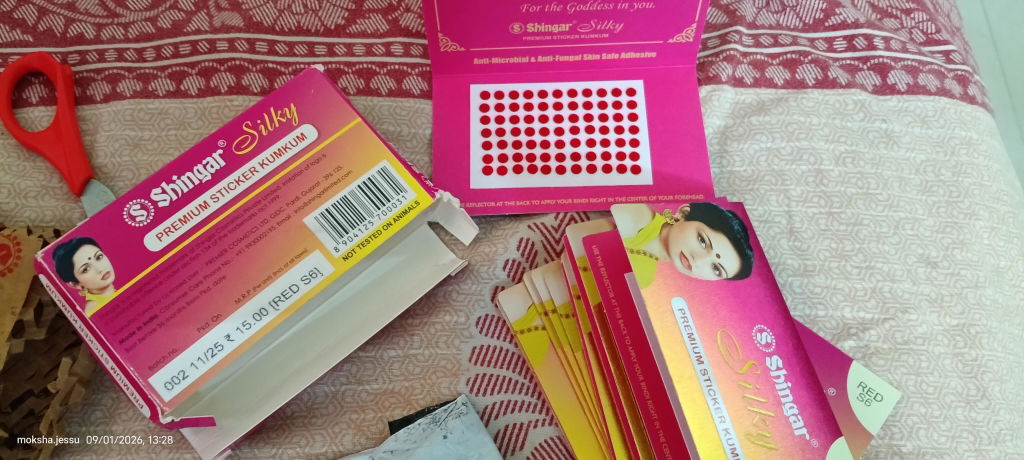
Today, the tradition lives on — refined, safe, and beautifully preserved through brands like Shingar Silky, who continue the legacy of authentic, high-quality kumkum and sindoor.
Let’s explore the journey…
🔴 What Is Kumkum?
Kumkum is a traditional red powder made naturally from turmeric processed with lime, giving it a deep vermillion hue.
It is applied on the forehead, hairline, and deities, symbolising energy, purity, and protection.
🪷 Origin of Kumkum — Over 5,000 Years Old
Kumkum’s earliest references appear in the:
- Atharva Veda — describing red powder used in rituals
- Devi Mahatmya — Goddess is adorned with red kumkum
- Ayurvedic scriptures — where haldi-based red powder is considered auspicious and medicinal
Archaeological findings show women in the Indus Valley (3300–1300 BCE) used red pigments on the forehead — a predecessor to modern kumkum.
Why it was used:
Kumkum signified intuition, spiritual awakening, and protection from negative energy.
❣️ What Is Sindoor?
Sindoor is a red/orange powder traditionally applied on the parting (maang) of married Hindu women.
🕉️ Origin of Sindoor — Ancient, Sacred and Symbolic
Sindoor dates back at least 4,000+ years, referenced in:
- Mahabharata
- Ramayana (Sita applying sindoor for Rama’s long life)
- Puranas
- Katyayana Smriti
Even terracotta figurines from ancient India show women with vermilion marks on the head.
Historically, sindoor symbolised:
- Marital status
- Blessings for long life
- Protection & prosperity
Later, Ayurvedic formulations made sindoor safer and more refined.
Sindoor vs. Kumkum — What’s the Difference?
|
Feature |
Kumkum |
Sindoor |
|
Where it’s applied |
Forehead, temples |
Hair parting (maang) |
|
Symbolises |
Energy, devotion, intuition |
Marriage, prosperity |
|
Made from |
Turmeric + lime |
Vermilion/safer cosmetic pigments |
|
Used by |
All women |
Married women |
🌺 Why Red? The Ancient Meaning of the Colour
Red has always been sacred in Indian culture. It symbolises:
- Shakti (divine feminine energy)
- Fertility
- Protection
- Strength
This is why kumkum and sindoor remain powerful, culturally rooted symbols even today.
💫 Evolution of Sindoor & Kumkum — From Ancient Rituals to Modern Beauty
Over centuries, the powders evolved:
- From raw turmeric → refined cosmetic kumkum
- From herbal vermillion → safe, tested sindoor
- From religious use → beauty, fashion, and identity
Brands like Shingar Silky continue this legacy with safe, skin-friendly, premium kumkum and sindoor, trusted across generations.
✨ Why Shingar Silky Kumkum & Sindoor Stand Out
Shingar carries a 70+ year legacy of creating:
- Authentic, pure kumkum
- Premium sindoor in liquid, stick & powder forms
- Skin-safe formulations
- Bright, long-lasting colours
- Trusted traditional products for Indian rituals
Perfect for: weddings, pujas, festivals, daily use, and cultural rituals.
📌 Final Thoughts
Sindoor and kumkum are not trends —
they are timeless traditions, thousands of years old, carrying the soul of Indian culture.
From ancient scriptures to modern weddings, the legacy continues — and Shingar Silky is honoured to be a part of that heritage.
Explore Shingar Silky's Traditional Cosmetics