Traditional kajal was renowned for its simplicity, safety, and effectiveness. Unlike modern cosmetics with long ingredient lists, kajal relied on a few carefully chosen natural ingredients, each serving a purpose beyond appearance.
Core Ingredients
1. Soot (Kajal Carbon): Collected from burning cotton wicks or oil lamps, soot provided a natural black pigment. Its smooth texture allowed soft definition without harsh lines.
2. Natural Oils: Castor oil, ghee, or coconut oil ensured a creamy, gentle consistency. These oils prevented dryness and made application comfortable, even for children.
3. Optional Botanicals: Some households added mild herbal extracts for soothing and protective effects.
This minimalistic approach ensured gentle formulations suitable for daily wear, trusted by generations.
Importance of Homemade Preparation
Homemade preparation allowed families to monitor quality, freshness, and texture, creating a safe cosmetic habit. Parents could control every step, from soot collection to mixing, making kajal reliable for everyday use, especially for children and elders.
Modern Perspective
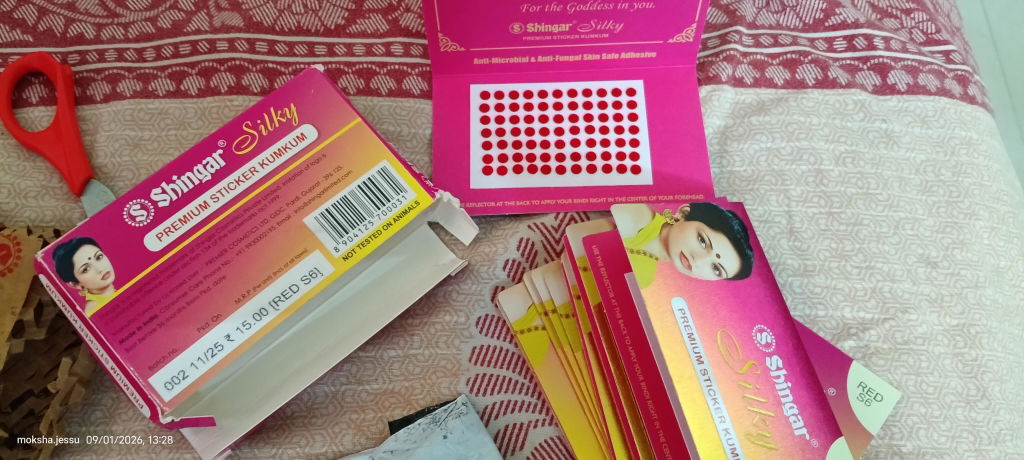
Understanding traditional ingredients is essential when evaluating modern kajal formulations. Products like Shingar Silky Herbal Kajal Pencil replicate traditional gentleness while meeting modern hygiene standards.
Internal Links:
· Is Kajal Safe for Daily Wear?
· Homemade Kajal vs Store-Bought Kajal
· Cultural Importance of Kajal